A kitchen isn’t just a place to cook—it’s the heart of a home. Whether making a quick breakfast, hosting a dinner party, or just having a late-night chat over tea, a well-designed kitchen makes all the difference. While aesthetics matter, functionality is what turns a beautiful kitchen into a space that truly works. The best designs start with understanding how you use your kitchen. Do you love cooking and need plenty of prep space? Or is your kitchen more of a social space where friends and family gather? Layout plays a huge role in making sure your kitchen flows well. The classic “kitchen work triangle”—keeping your stove, sink, and fridge within easy reach—remains a solid rule of thumb, but flexibility is key. If you have a kitchen island, for example, placing the sink there can improve workflow. If you’re working with a galley-style kitchen, keeping counters clear and maximizing vertical storage can make the space feel bigger and more efficient.
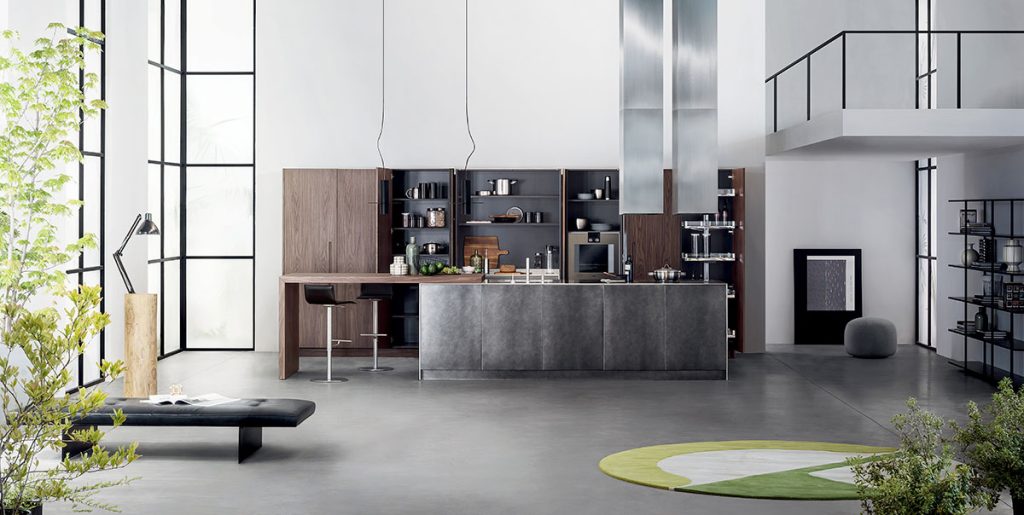
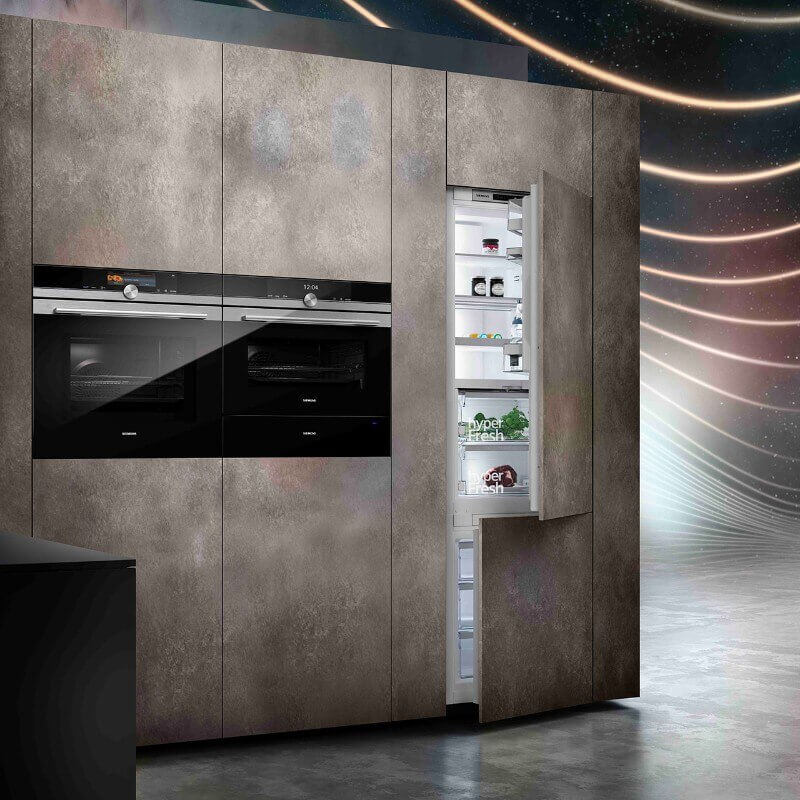
Storage is one of the most overlooked aspects of kitchen design, yet it’s what keeps a space functional. Deep drawers make accessing pots and pans easier than traditional cabinets. Pull-out pantry shelves prevent forgotten ingredients from getting lost in the back. Even simple changes—like adding dividers in drawers for cutlery or built-in organizers for spices—can make everyday tasks smoother. Open shelving can be great for frequently used items, but too much of it can lead to clutter. If you prefer a clean look, closed storage with thoughtful internal organization is the way to go.
Modern Kitchens take a lot of daily wear, so selecting durable, low-maintenance materials is just as important as choosing colours and finishes. Countertops, for instance, play a major role in both aesthetics and usability. Quartz has gained popularity because it’s resistant to stains and scratches, making it a practical alternative to natural stone. Marble, while undeniably beautiful, requires regular sealing to prevent stains. The butcher block adds warmth but needs care to maintain its finish.
Cabinet materials also impact longevity. Solid wood is a classic choice, but high-quality MDF or plywood with a strong finish can be just as durable while offering more design flexibility. Matte surfaces hide fingerprints better than glossy finishes, which is something to keep in mind if you don’t want to be constantly wiping things down.
Flooring should be chosen with practicality in mind. Hardwood gives a warm, natural look but can be prone to scratches and water damage. Tiles are durable and easy to clean, while luxury vinyl has become a popular alternative, mimicking the look of wood or stone while being more resistant to moisture and impact. If your kitchen sees a lot of foot traffic, choosing a comfortable material underfoot can make a big difference.
Lighting is another element that’s easy to overlook but makes a huge impact. Overhead fixtures provide general illumination, but task lighting—like under-cabinet lights or pendant lamps over an island—ensures that work areas are properly lit. A combination of warm and cool lighting can help balance function and ambience, creating a space that feels inviting but still practical for cooking.
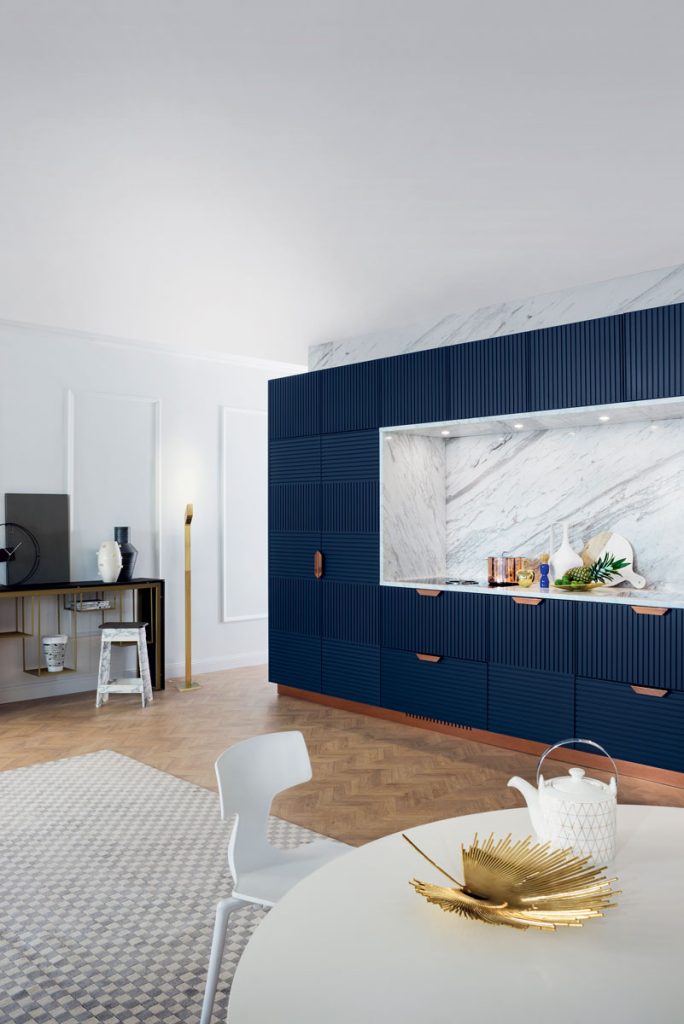
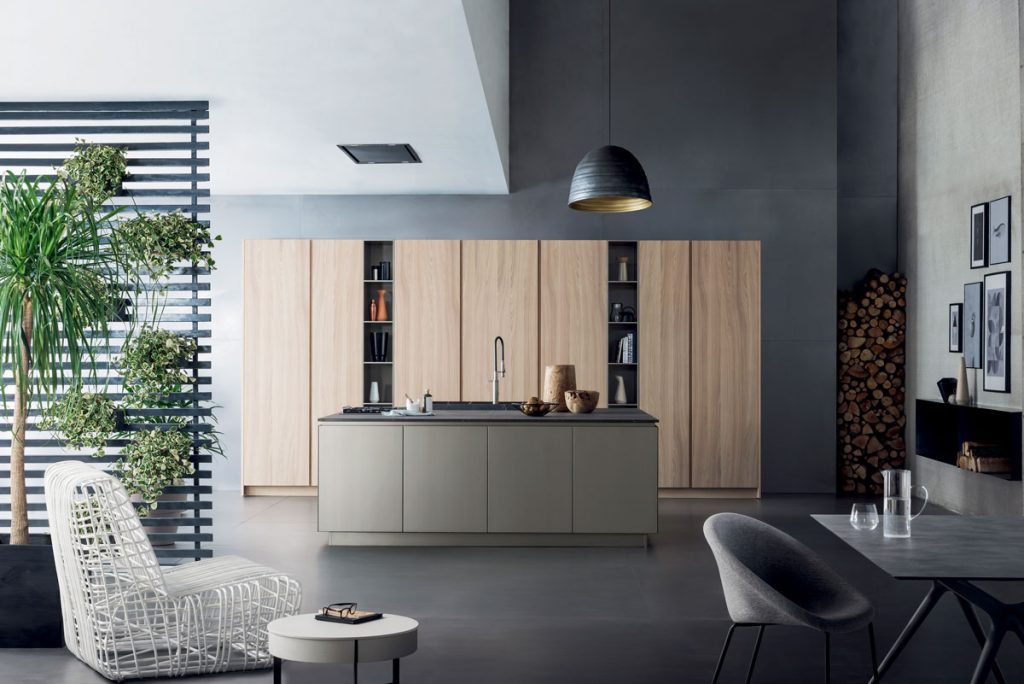
While functionality comes first, a designer kitchen should also reflect your style. Colour choices play a big role in setting the tone. White kitchens remain a classic choice for their bright, airy feel, but darker tones like navy, charcoal, or deep green have gained popularity for their rich, sophisticated look. If you prefer something more neutral, mixing wood tones with muted colours can create warmth without feeling overly trendy.
Backsplashes offer another opportunity to add character. Classic subway tiles work in almost any kitchen, while bolder choices—like geometric patterns, Moroccan tiles, or even a full slab of natural stone—can turn the backsplash into a design feature. Hardware, like cabinet handles and faucets, may seem like a small detail, but they can change the entire feel of a space. Matte black or brushed brass adds a modern touch, while classic polished chrome or nickel offers timeless appeal.
When it comes to layout, open-plan kitchens have become the go-to for modern homes, blending seamlessly with living and dining areas. They make a home feel larger and more social but also require careful planning—storage needs to be efficient, and cooking smells need to be managed. More traditional closed kitchens still have their place, offering defined workspaces and keeping the mess of cooking separate from living areas. The choice ultimately depends on how you use your space and what fits your lifestyle best.
Designing a kitchen is about more than just following trends. It’s about creating a space that works for you—one that’s practical, comfortable, and reflects your style. With the right balance of function, durability, and aesthetics, your kitchen can become a space that not only looks great but makes everyday life easier.