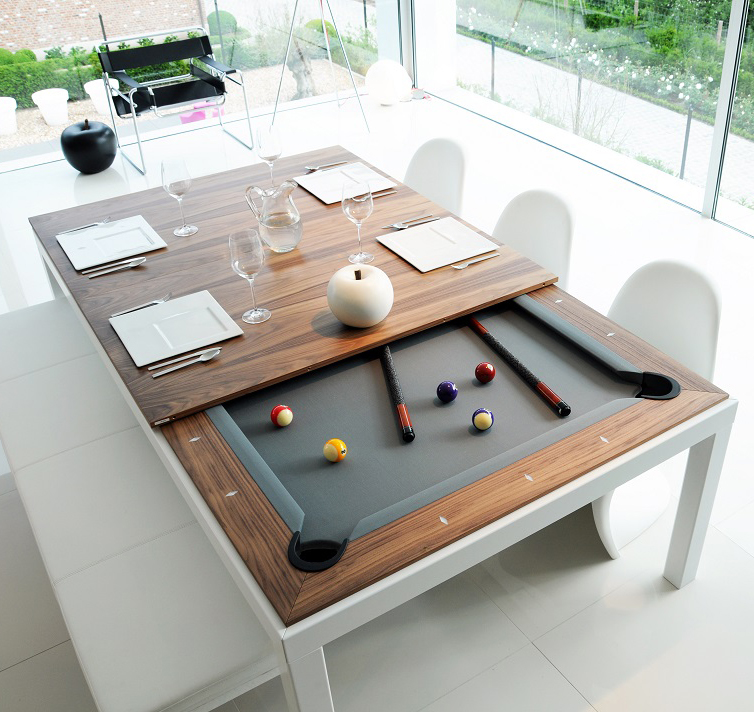
When you think about a dining room, what comes to mind? For many of us, it’s more than just a place to eat; it’s where we gather with family and friends, celebrate special moments, and create memories over delicious meals. But how do you turn a simple room into a space that enhances the experience of dining? That’s where dining room design comes into play.
In this guide, we’ll explore how to create a dining room that’s not only functional but also stylish, comfortable, and welcoming. Whether you’re starting from scratch or looking to refresh your current space, these tips will help you design a room that fits your lifestyle and taste.
Before diving into the details, it’s important to figure out the kind of vibe you want your dining room to have. Dining rooms can range from formal and elegant to relaxed and cozy, depending on your style and how you use the space. If you enjoy hosting formal dinners, you might lean toward a more sophisticated and refined design. On the other hand, if your family dinners are more laid-back, a casual and comfortable approach might be better suited to your needs.
Your dining room should reflect your unique style, so it’s helpful to think about colors, materials, and furniture pieces that align with your overall aesthetic. For instance, if you’re into minimalist design, you might prefer clean lines, neutral tones, and simple furniture. If you love bold colors and patterns, go for more vibrant or eclectic touches that will make the space feel lively and energetic.
Ultimately, it’s all about making the room feel like it belongs to you. You don’t have to stick to one specific style; mix and match elements that feel right for your space and personality. Your dining room should be an expression of who you are, so don’t be afraid to get creative and think outside the box.
At the heart of every dining room is the dining table. It’s where all the magic happens—family meals, dinner parties, and even those lazy Sunday brunches. Because of this, choosing the right table is crucial to setting the tone for the room.
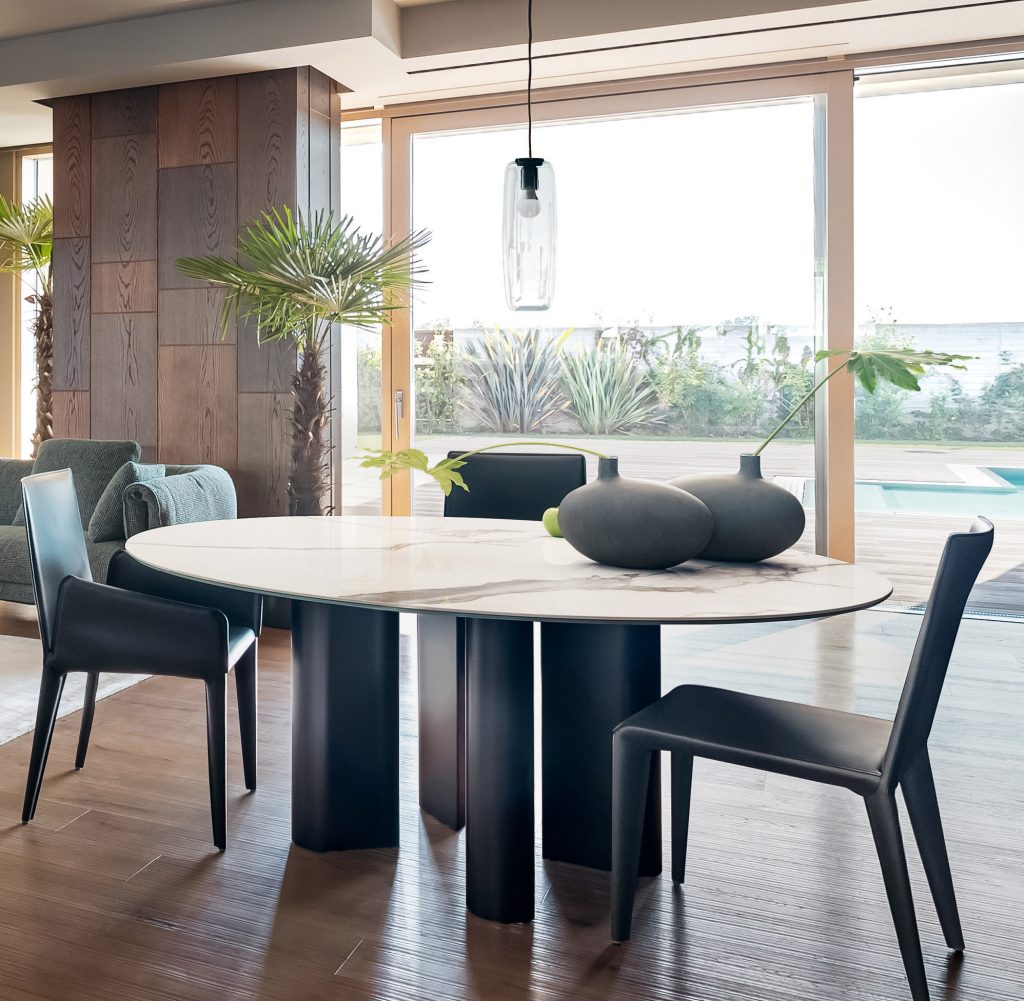
When selecting a table, size matters. Consider the number of people you typically host. If your family is small, a round or square table might be a good fit. Larger families or those who entertain often may want a longer, rectangular table. The goal is to create a space where everyone can sit comfortably without feeling cramped.
The material of the table also plays a big role in its look and feel. Wood tables bring warmth and texture, while glass tables create a sleek and modern aesthetic. Metal tables can add an industrial edge, and marble or stone tables offer a luxurious touch. Think about the vibe you want to create and choose a material that complements the rest of the room.
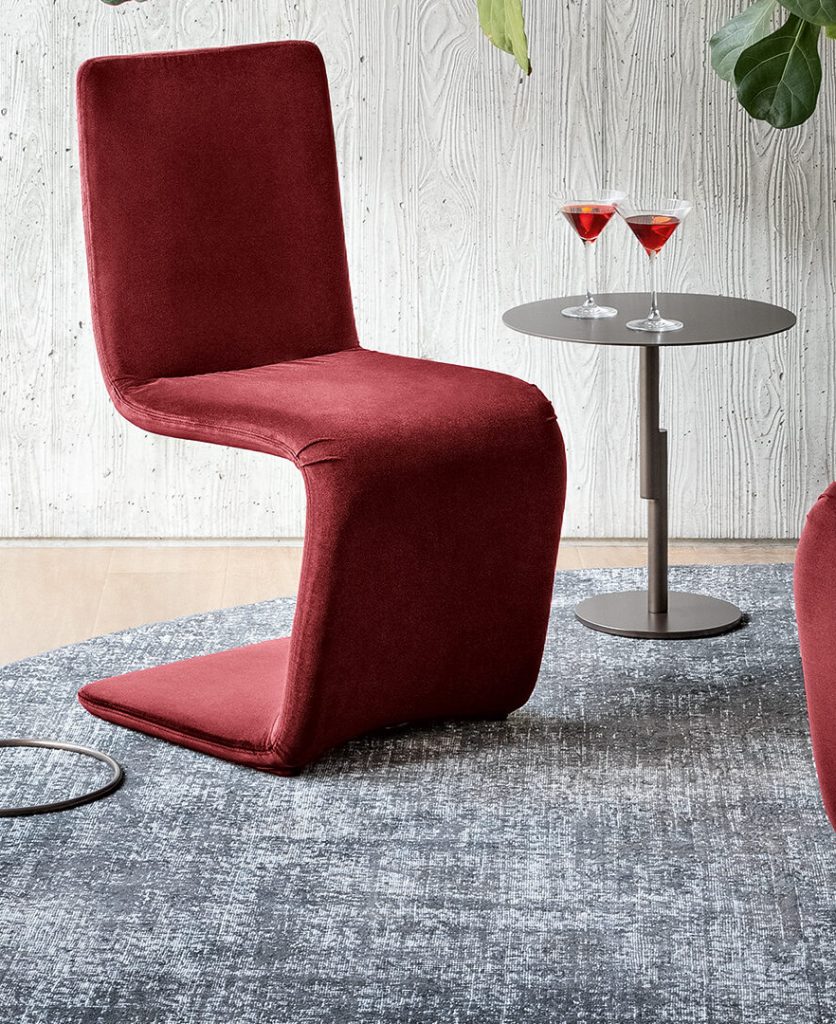
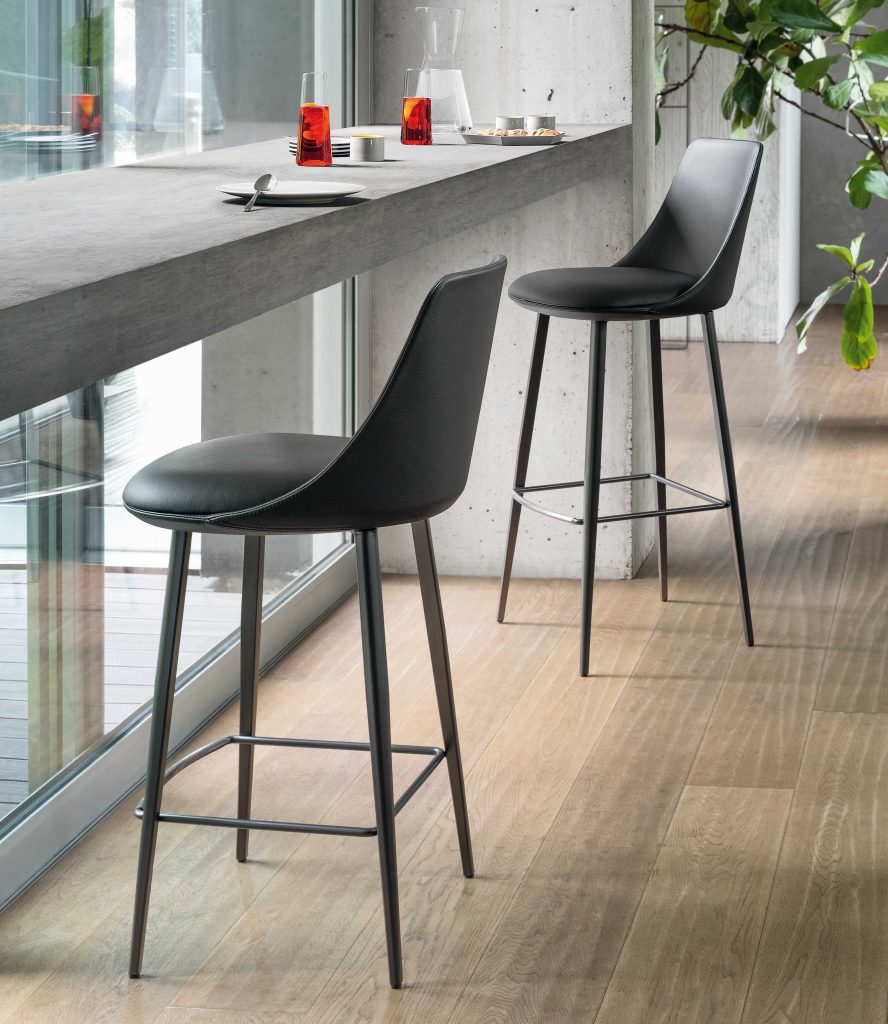
Once the table is chosen, it’s time to think about the seating. Comfortable chairs are a must—after all, you don’t want your guests shifting uncomfortably in their seats during a long dinner. Look for chairs that provide support but also offer style. You can opt for matching chairs, or mix things up with different styles and materials for a more eclectic look. If you prefer a more traditional feel, cushioned seats with fabric or leather upholstery can add elegance. For a more casual vibe, wooden or metal chairs might be a better choice.
Don’t forget about the table setting! Adding a few carefully chosen accessories like placemats, chargers, and tableware can elevate the dining experience. A centerpiece, like a vase of fresh flowers or a bowl of fruit, can also add a personal touch and complete the look.
One of the most important aspects of dining room design is lighting. The right lighting can set the mood, create ambiance, and make the space feel inviting. Overhead lighting, like pendant lights or chandeliers, works well to provide ample light for the table while also making a statement in the room.
When choosing your light fixture, think about the scale of the dining table. A large chandelier or a series of pendant lights works well for bigger tables, while smaller fixtures are better suited for more intimate settings. The key is to make sure the light is focused on the table, so people can enjoy their meals without straining their eyes.
For added versatility, you can layer your lighting. Consider adding dimmer switches so you can adjust the brightness depending on the occasion. Soft, warm light is ideal for casual family dinners, while brighter lighting might be better for parties or when you need to see your food more clearly. Task lighting, such as sconces or floor lamps, can also provide additional lighting in the room, helping to create a balanced and well-lit space.
The colors and materials you choose for your dining room set the tone and help tie the space together. When it comes to color, you’ll want to choose shades that complement the furniture and decor while also evoking the feeling you want for the room.
If you want a cozy, intimate feel, warm tones like rich browns, deep reds, or earthy neutrals can make the space feel inviting and comfortable. On the other hand, if you prefer a fresh, modern vibe, cool tones like blues, grays, or whites can create a clean, serene atmosphere.
The materials you choose for your dining room will also play a big part in the room’s overall feel. Wood floors, for example, create a warm, rustic charm, while sleek concrete or tile can lend a more contemporary or industrial vibe. Area rugs can also add texture and color to the room, helping to soften the space and make it feel more grounded.
The walls are another important element in dining room design. Paint them a color that complements your furniture, or consider adding wallpaper for a touch of texture and pattern. Wall art can also make a huge impact in the room. Whether you prefer large, bold artwork or smaller, more subtle pieces, art helps bring personality to the space.
Once you’ve settled on a style, chosen your furniture, and perfected your lighting, it’s time to bring everything together. The beauty of dining room design is that it’s highly personal. The room can be as formal or casual as you want it to be, depending on how you live and what you need the space for.
The goal is to create a room that enhances your dining experience and makes you feel at home. Don’t rush the process—take your time to find the pieces that speak to you and create a space that reflects your tastes. From the perfect dining table to the right lighting and materials, every element plays a role in crafting a room that’s both functional and beautiful.
By paying attention to the details and creating a cohesive look, you can design a dining room that’s more than just a place to eat. It becomes a space where you can relax, entertain, and enjoy good food with the people you love. So, take a step back, embrace your creativity, and start designing a dining room that will make every meal feel special.